



The chemical manufacturing landscape is governed by rigorous protocols designed to protect personnel and the environment, with a specific focus on additives safety. In an industry where precision is paramount, understanding and implementing high-level safety standards is not just a regulatory requirement—it is a cornerstone of operational excellence. For facilities handling specialized formulations, prioritizing additives safety ensures long-term sustainability and brand trust.
The Importance of Rigorous Additives Safety Protocols
When discussing chemical manufacturing, the handling of concentrated components requires specific attention. Additives safety begins with a comprehensive understanding of the Material Safety Data Sheets (MSDS). These documents provide essential information regarding chemical properties, physical hazards, and emergency procedures.
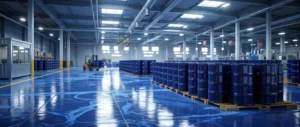
In the UAE’s industrial sectors, such as Jebel Ali, extreme ambient temperatures can influence the stability of various chemical additives. Manufacturers must ensure that storage facilities are climate-controlled and that all containers are clearly labeled with GHS (Globally Harmonized System) compliant symbols. By prioritizing these initial steps, companies mitigate the risk of accidental exposure or hazardous chemical reactions.
Risk Assessment and Hazard Identification
Before any production cycle begins, safety officers must conduct a detailed risk assessment. This process involves identifying potential “pinch points” where additives safety might be compromised.
1. Chemical Compatibility:
Not all additives play well together. Storing incompatible substances in close proximity can lead to fires or toxic gas release.
2. Exposure Limits:
Engineering controls, such as local exhaust ventilation, must be functional to keep airborne concentrations of additives below the Permissible Exposure Limits (PEL).
3. Spill Containment:
Secondary containment systems are vital. In the event of a leak, these systems prevent hazardous additives from reaching the soil or water drainage systems.
Implementing Engineering and Administrative Controls
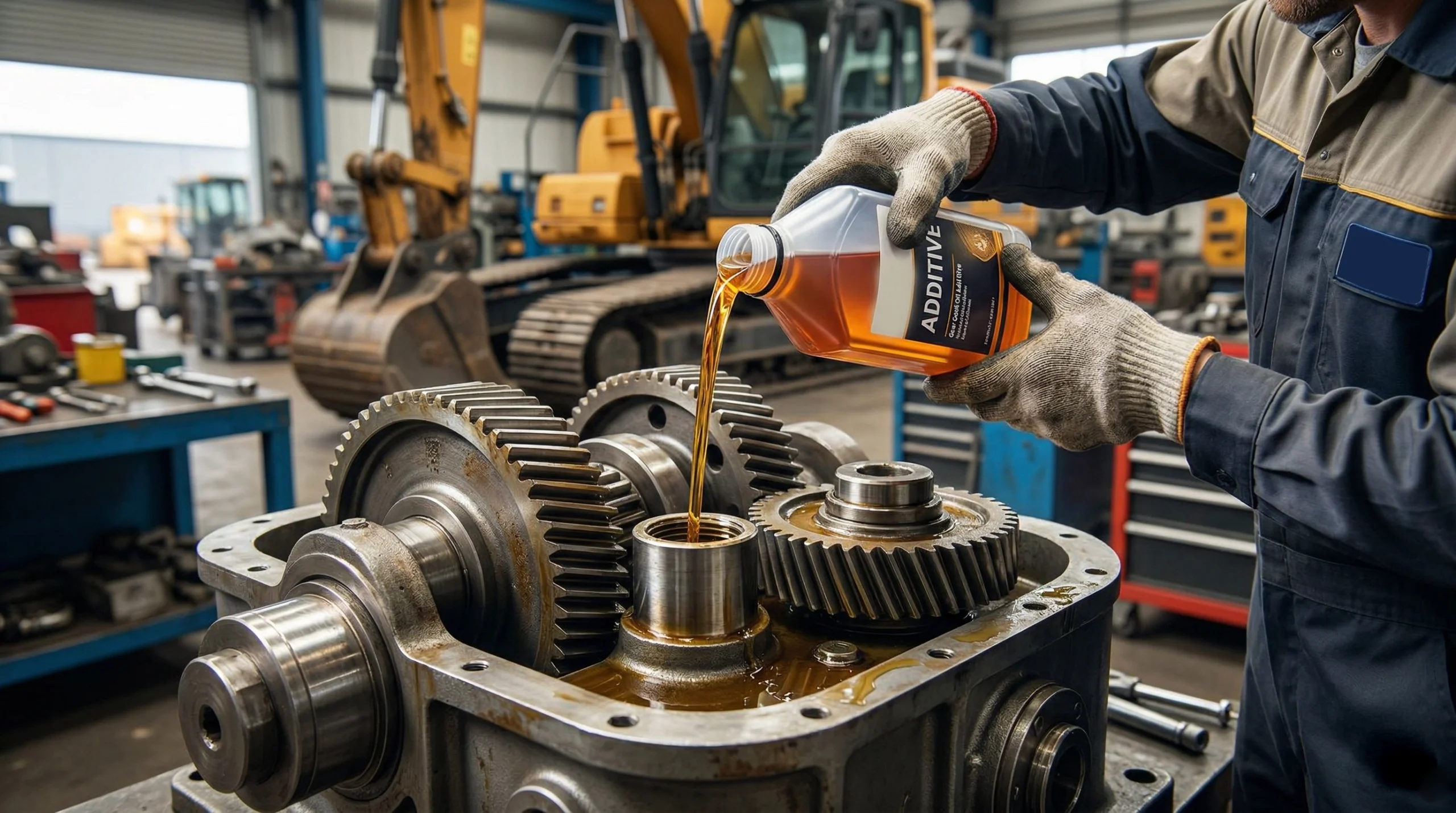
To maintain high safety standards, manufacturers rely on a hierarchy of controls. Engineering controls represent the most effective defense. For instance, automated dosing systems reduce the need for manual handling, thereby significantly lowering the chance of human error during the mixing of complex additive packages.
Administrative controls complement these technical solutions. Regular training sessions ensure that every team member understands the specific nuances of additives safety. These programs should cover the correct use of Personal Protective Equipment (PPE), including nitrile gloves, chemical-resistant aprons, and specialized respiratory protection. When workers are well-informed, they become the first line of defense against industrial accidents.
ISO Standards and International Compliance
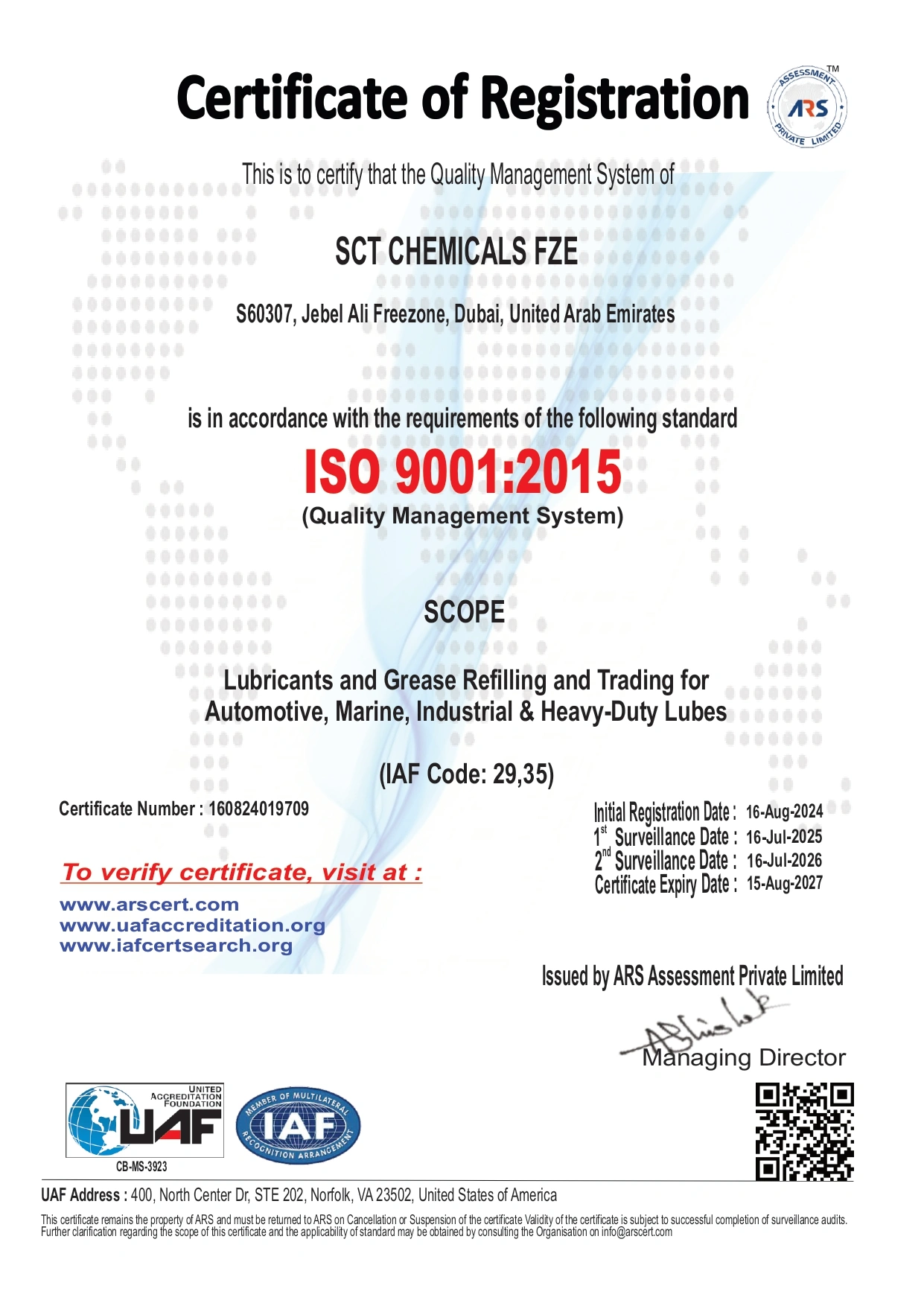
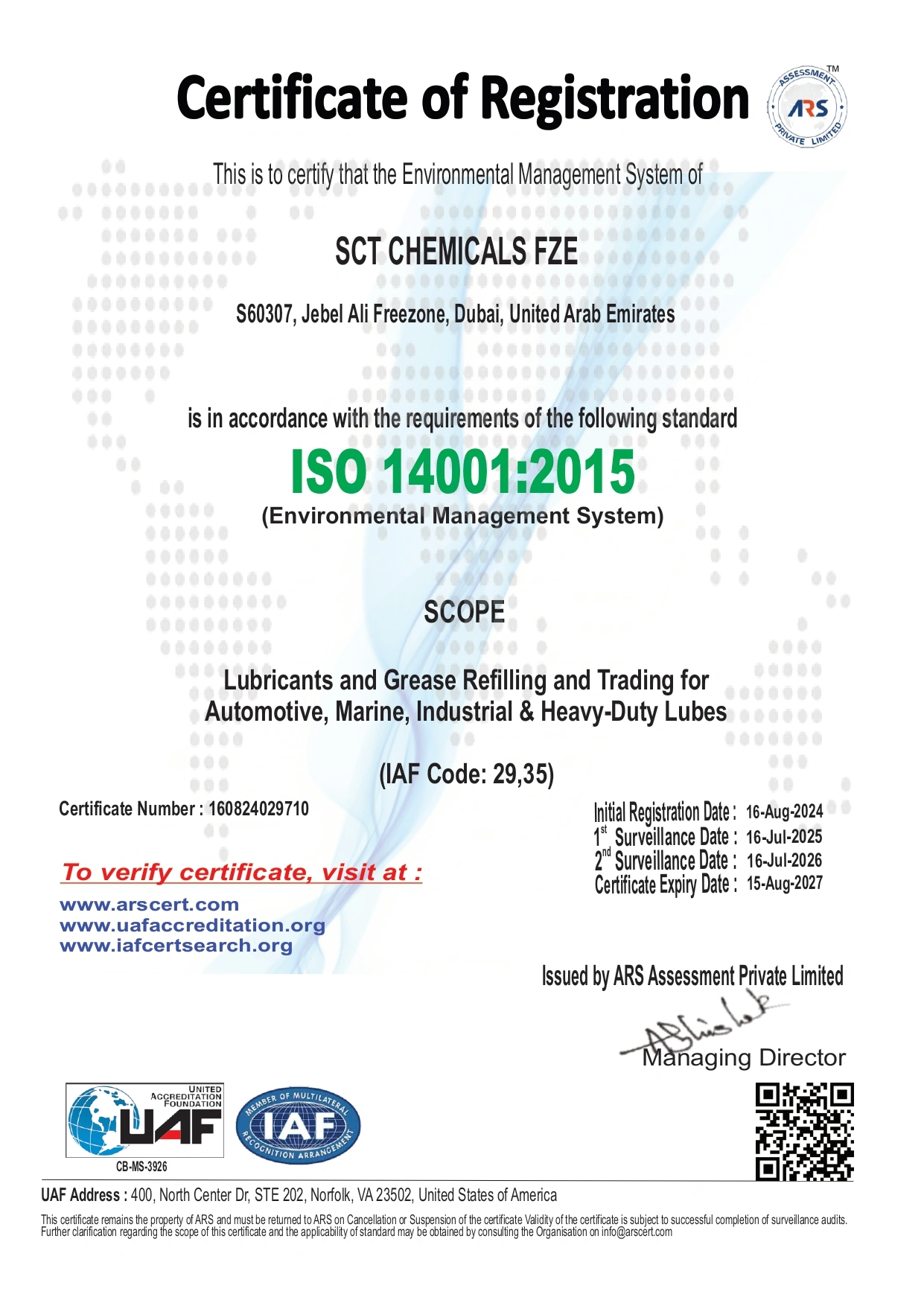
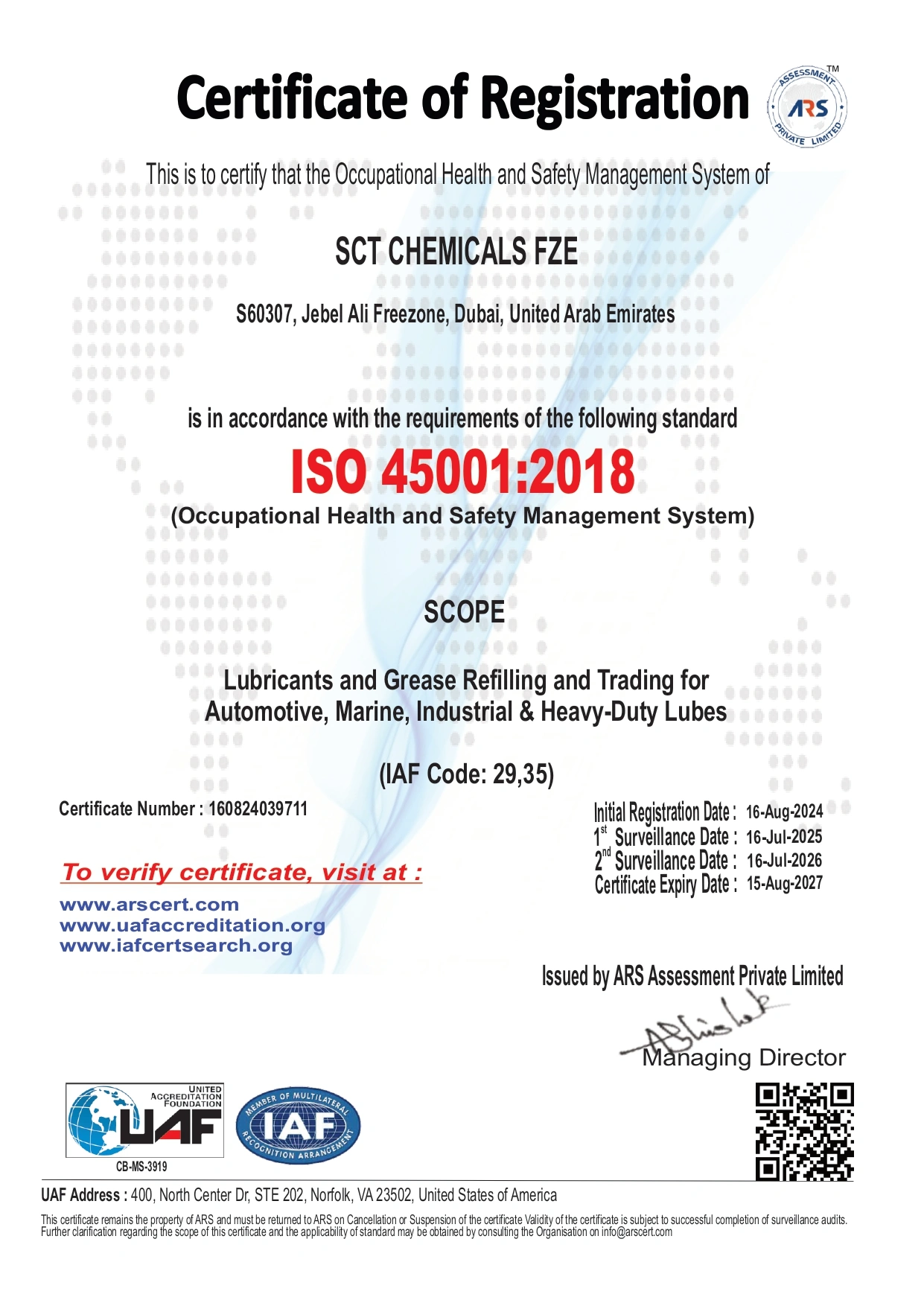
Adhering to international standards like ISO 45001 (Occupational Health and Safety) and ISO 14001 (Environmental Management) provides a framework for continuous improvement. These certifications demonstrate a commitment to global best practices. In the context of additives safety, ISO standards require periodic audits and the documentation of every safety incident, no matter how minor. This data-driven approach allows manufacturers to identify trends and implement corrective actions before a major failure occurs.
The Role of Personal Protective Equipment (PPE)
While engineering controls are preferred, PPE remains a critical component of a safety strategy. When handling liquid additives or powdered catalysts, workers must utilize gear that is specifically rated for chemical resistance. Standard masks often fall short; instead, high-efficiency particulate air (HEPA) filters or vapor cartridges are often necessary to ensure total additives safety during the blending process.
Maintenance and Emergency Response
A safe plant is a well-maintained plant. Corrosion in pipes, failing seals on valves, and outdated monitoring sensors can all lead to catastrophic leaks. A proactive maintenance schedule prevents these issues. Furthermore, every facility must have a robust emergency response plan. This includes:
- Eye Wash Stations: Strategically placed and regularly tested.
- Safety Showers: Accessible within seconds of a potential splash.
- Spill Kits: Fully stocked with absorbent materials specifically designed for chemical additives.
Conclusion: A Culture of Excellence
Safety in chemical manufacturing is not a destination but a continuous journey. By focusing on additives safety, companies protect their most valuable assets—their people. Implementing these top-tier safety standards ensures that the manufacturing process remains efficient, compliant, and prepared for the challenges of the modern industrial world. For businesses seeking a partner that embodies these values, contacting an established manufacturer is the first step toward a safer operational future.